

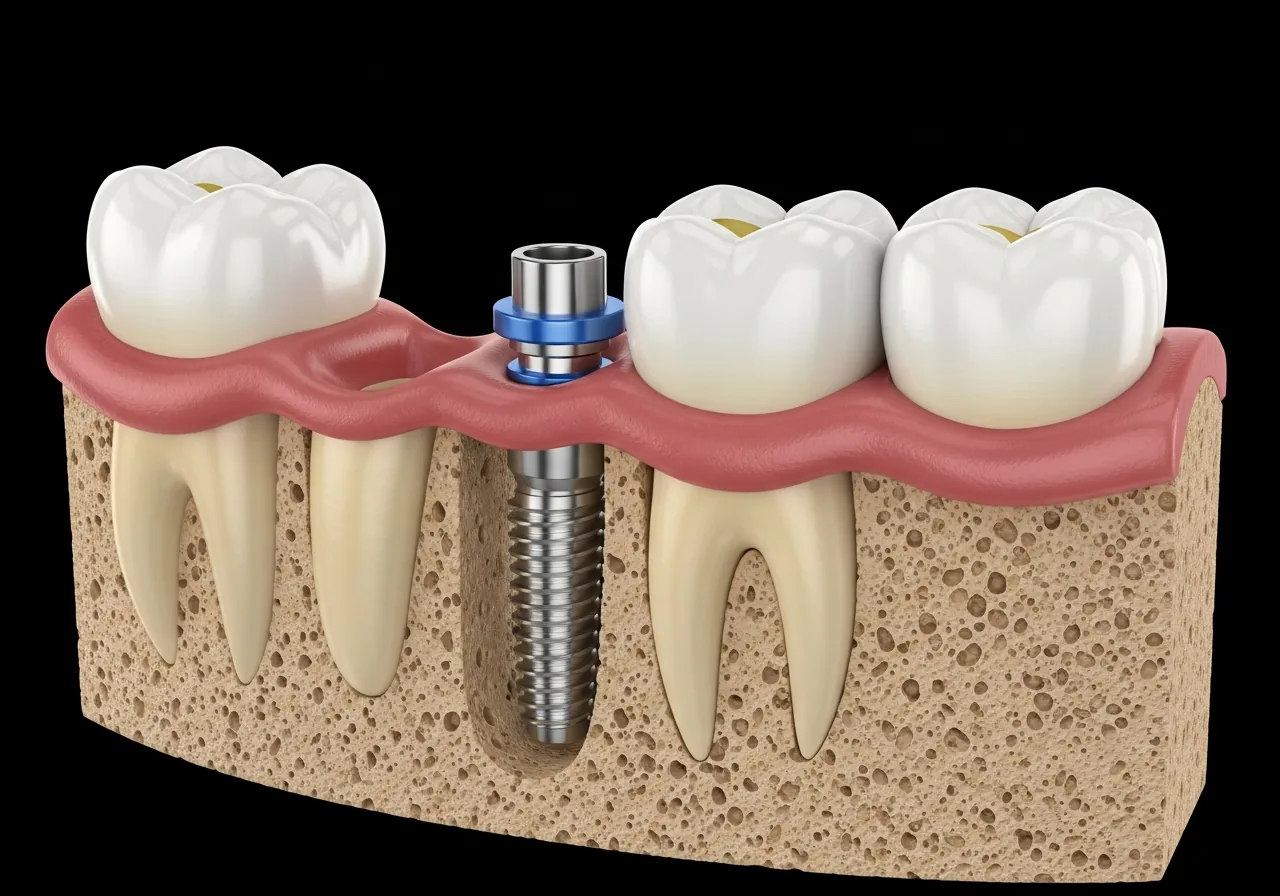
Autogenous Bone
The body's own bone material is considered especially well tolerated for jaw augmentation.
A stable bony foundation is crucial for the long-term success of a dental implant. If there is insufficient bone volume, bone-building and regenerative techniques can help.
Thanks to three-dimensional diagnostics, the extent of bone augmentation required can be determined precisely even before implantation. Depending on the extent of the deficit, different techniques may be suitable.
Depending on your individual starting situation, we select the appropriate augmentation technique.
The body's own bone material is considered especially well tolerated for jaw augmentation.
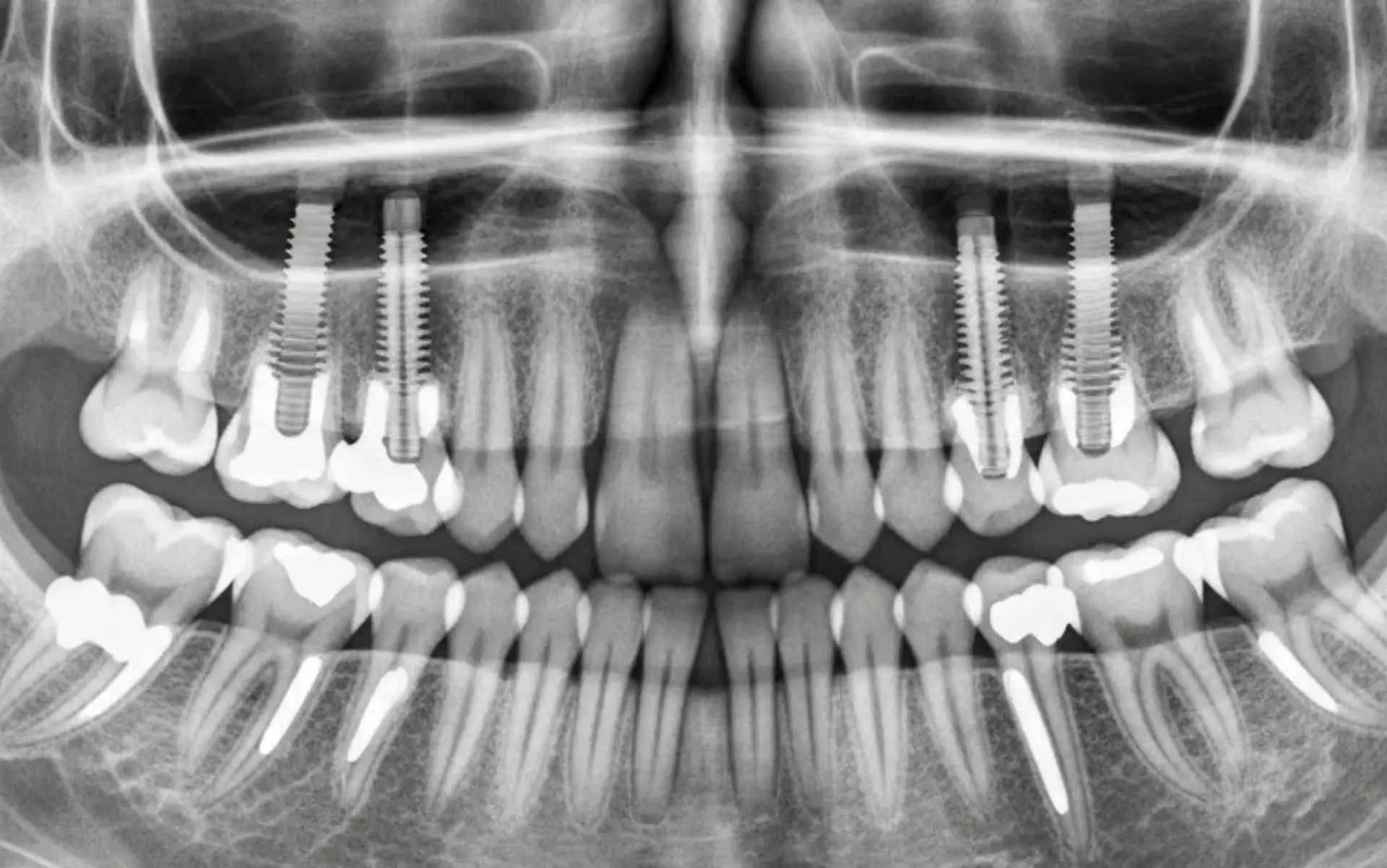
Proven substitute materials support the natural regeneration of the jawbone.
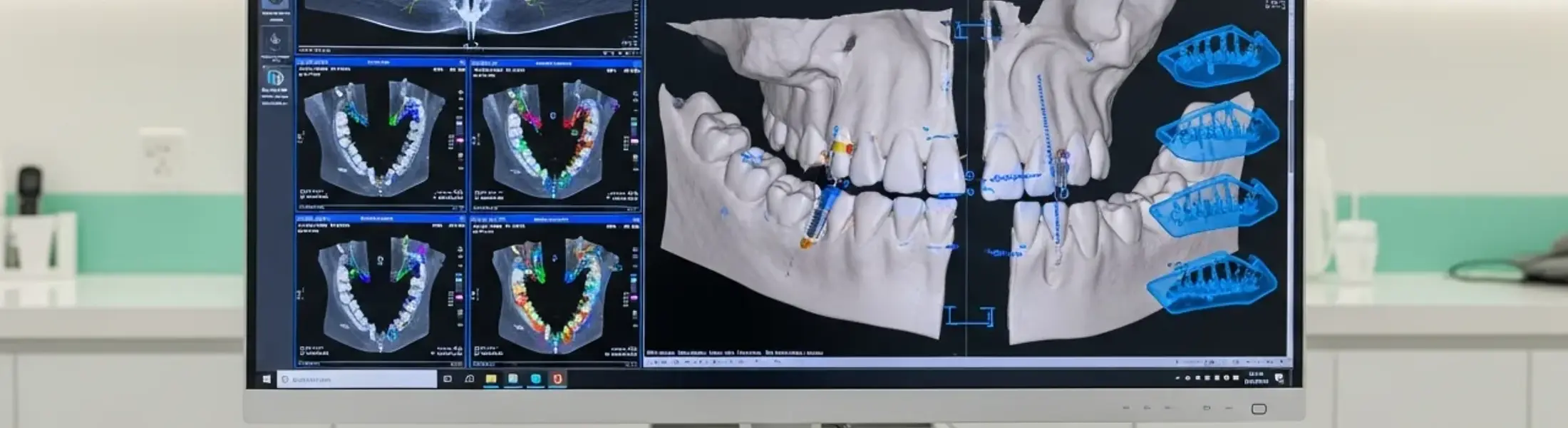
The sinus lift specifically builds up the jawbone in the posterior region of the upper jaw.
Smaller bone deficits can be compensated for with bone substitute material. Directly during implantation, we fill the defect with this material, often supplemented with added bone chips.
For larger bone deficits as well as jaw areas that are too narrow, flat, or already resorbed, we build up the bone using the body's own tissue from the jaw area.